For a rainy archipelago in the North Atlantic with a population smaller than many individual Chinese provinces, Britain's cultural output is staggering. The music, the fashion, the television — they've shaped how much of the world looks, sounds, and thinks. That influence didn't happen by accident, but it wasn't exactly planned either.
The Music That Changed Everything
Start with the obvious. The Beatles, the Rolling Stones, the Kinks — the 1960s British Invasion didn't just export pop songs, it exported an entire attitude. For the first time, working-class British youth became objects of global fascination. The accent that had signalled inferiority suddenly sounded impossibly cool.
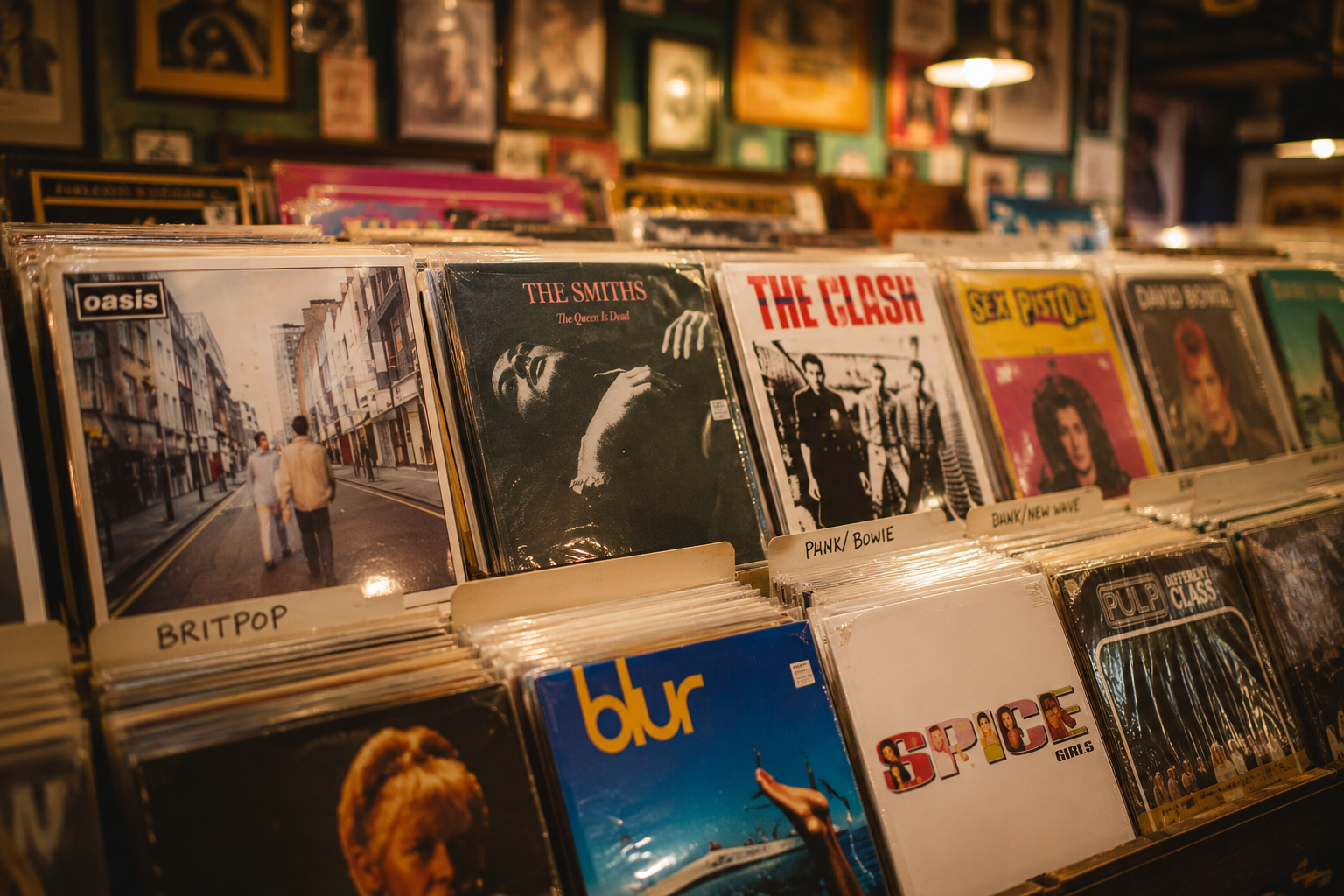
Every decade since has produced its own wave. Punk in the late 1970s. New wave and synth-pop in the 1980s. Britpop in the 1990s. Grime and electronic music in the 2000s and beyond. The throughline, as documented extensively in the history of British pop music, is a restless refusal to settle into a single sound — each generation actively rejecting what came before.
Television and the British Voice
British television has always punched above its weight. From Doctor Who to Fleabag, from Fawlty Towers to Peep Show, British comedy and drama have established templates that the rest of the world copies. The key ingredient is writing — Britain treats television writing as a craft, not a factory process, and the results are consistently sharper and stranger than what emerges from larger markets.
The BBC model, for all its critics, created a unique ecosystem where risk-taking was possible. You didn't need to chase advertisers. You could make something genuinely odd and trust that an audience would find it. That freedom produced work that shaped comedy and drama worldwide.
Fashion as Provocation
British fashion has always been more about attitude than polish. While Paris and Milan offered refinement, London offered disruption. Vivienne Westwood tore things apart. Alexander McQueen made fashion feel dangerous. The current generation of British designers continues that tradition of treating the runway as a site of cultural commentary rather than mere commerce.
Street style, too, has always been a British strength. From the mods to the punks to the ravers, youth subcultures in Britain have had a global influence out of all proportion to the number of people actually involved. A few hundred kids in East London can change how the entire world dresses within eighteen months.
The Secret Ingredient
Why Britain? The honest answer is probably a combination of factors — the English language, the class system (which generates friction, and friction generates culture), the weather (which keeps people indoors making things), and a long tradition of eccentricity being tolerated rather than crushed. Whatever the recipe, the results speak for themselves. In 2026, British culture continues to radiate outward in ways that no amount of soft-power strategy could engineer.