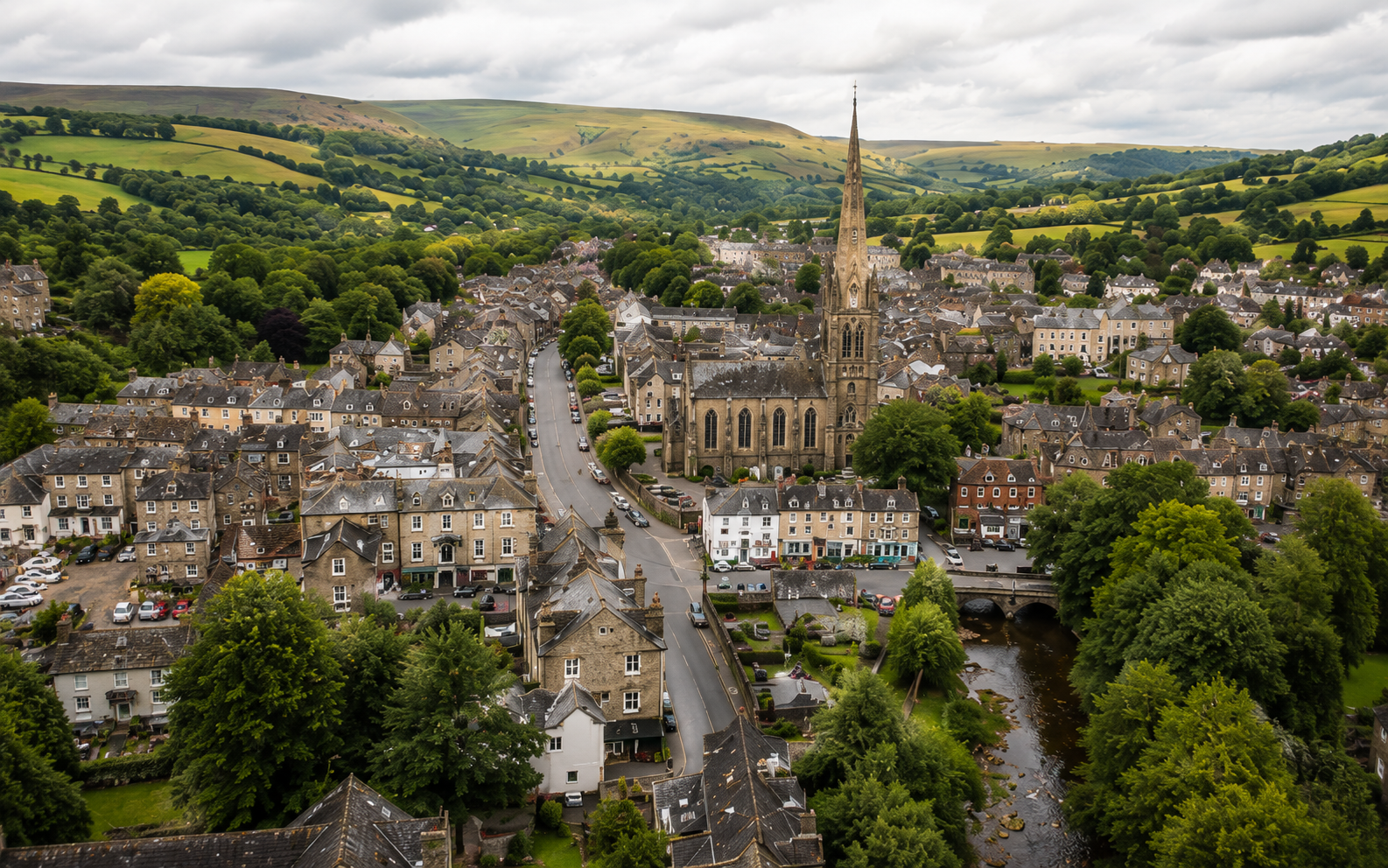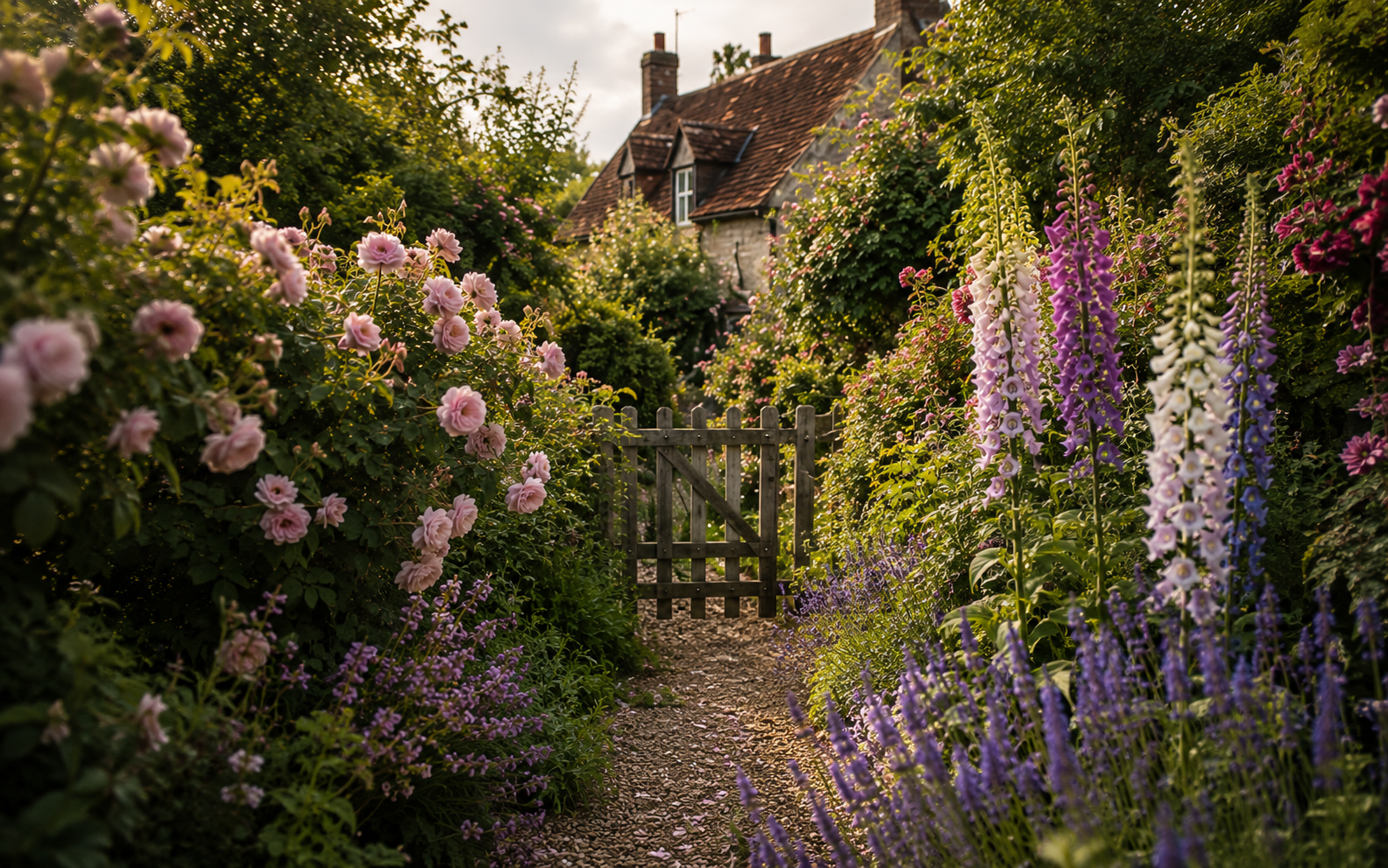
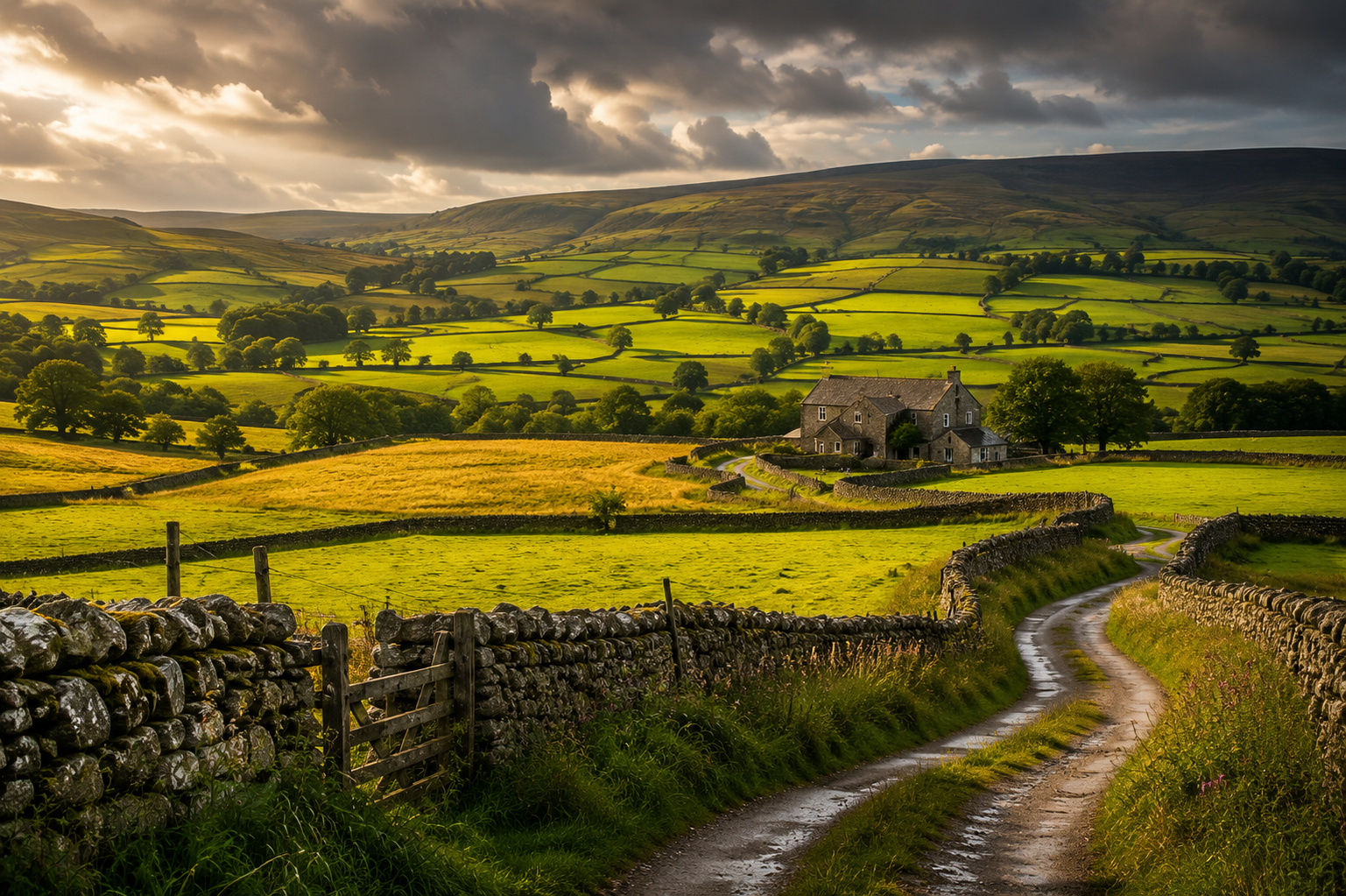
The script has been the same for generations. You grow up in a village. You do well at school. You leave for university and never quite come back. Rural Britain, in this telling, is a place you're from — not a place you choose. But that narrative is beginning to crack, and the reasons are more interesting than simple nostalgia.
The Pull of Place
There's a particular quality to life in rural Britain that's difficult to articulate without sounding sentimental. It's the horizon you can actually see. The fact that your neighbour knows your name. The pace that allows you to think in complete sentences. These aren't trivial things — they're the conditions under which many people do their best work and live their most satisfying lives.
The National Trust, which manages over 250,000 hectares of British countryside, has documented a significant increase in younger visitors and members since 2020. The countryside isn't just somewhere people retire to. It's becoming somewhere people actively choose, at every stage of life.
The Economics Are Changing
The biggest barrier to staying in rural Britain has always been work. If your ambitions extended beyond farming, hospitality, or the public sector, you had to leave. Remote working has changed that equation fundamentally. A web developer in Cumbria now earns London rates. A marketing consultant in mid-Wales can serve clients globally. The talent drain that hollowed out rural communities for decades is, in some areas, beginning to reverse.
This isn't uniform. Connectivity remains patchy — there are still villages where a video call is an act of faith. But the overall trajectory is clear. The relationship between where you work and where you live has been permanently altered, and rural Britain stands to benefit more than anywhere.
Community as Infrastructure
What rural communities offer, and what cities often struggle to provide, is genuine social infrastructure. The village hall. The local pub. The church fete. The WhatsApp group that organises everything from snow clearing to birthday collections. These aren't quaint relics — they're functional networks that deliver real support.
During the pandemic, rural communities mobilised with remarkable speed. Volunteer networks that already existed simply scaled up. Prescription deliveries, food parcels, phone check-ins — much of this happened without any direction from local authorities, simply because the relationships and structures were already in place.
Staying Isn't Settling
The most important shift may be psychological. A generation is emerging that doesn't see staying in a rural area as a failure of ambition. They've watched their peers move to cities, pay extraordinary rents, and commute for hours — and they've decided that a different calculation makes more sense. They're not anti-urban. They're pro-place. They've looked at what rural Britain offers — space, community, landscape, sanity — and decided it's worth building a life around. That choice, freely made, is perhaps the strongest case for the countryside there is.