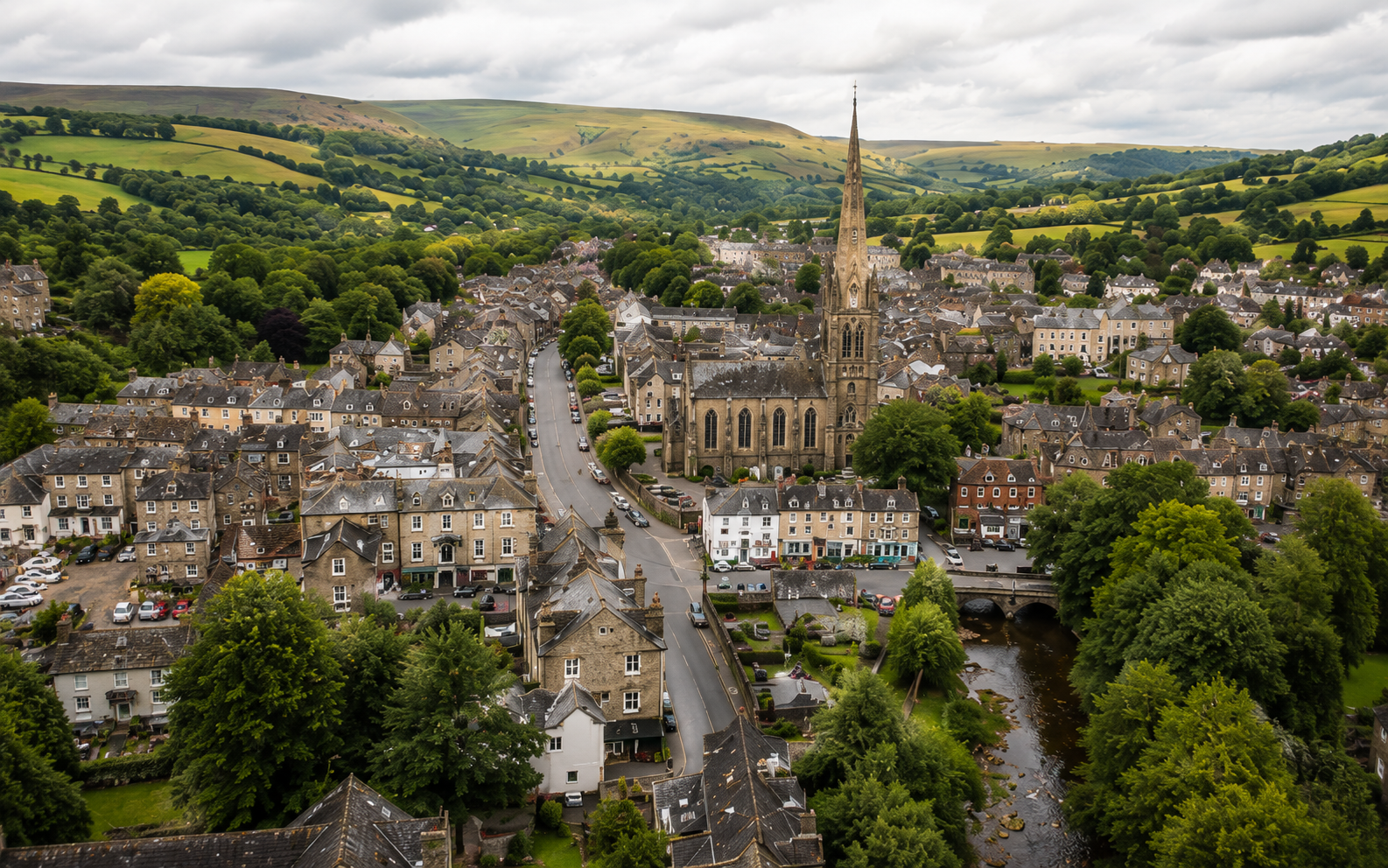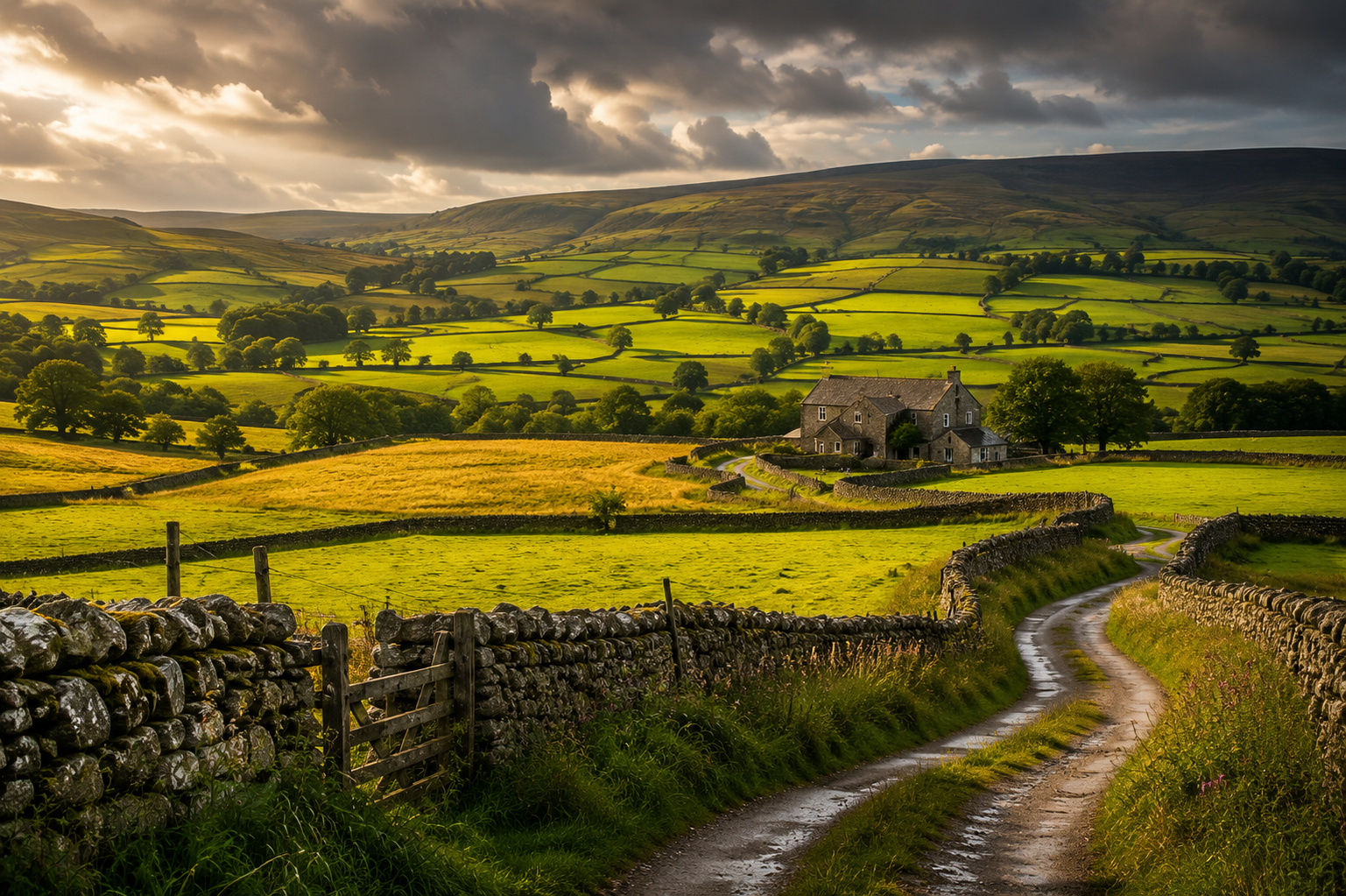
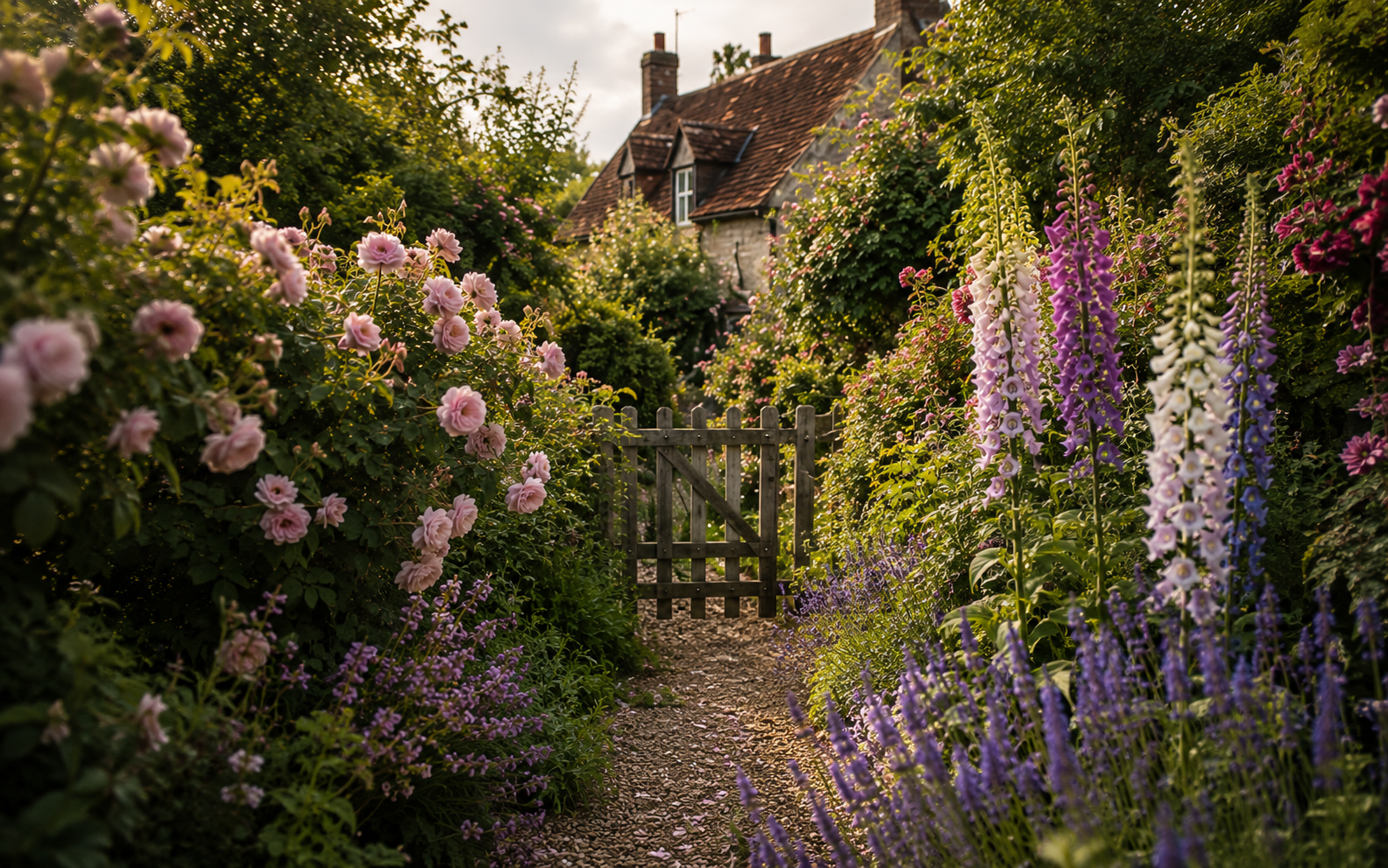
Visit any country in the world and you'll find people who garden. But nowhere else does gardening occupy the peculiar cultural space it holds in Britain. It's not just a pastime — it's a national conversation, a competitive sport, and for many people, an identity. The British don't just garden. They think about gardening, argue about gardening, and watch gardening on television with an intensity that baffles outsiders.
A History Written in Soil
The story starts with the great estates. The English landscape garden — that artful arrangement of rolling lawns, serpentine lakes, and carefully positioned trees that looks natural but isn't — was Britain's single greatest contribution to European aesthetics. Capability Brown reshaped the land itself, creating vistas that influenced garden design worldwide.
But the more interesting story is the democratic one. The allotment movement, the cottage garden tradition, the postwar expansion of council house gardens — these gave ordinary people a patch of ground and the freedom to do something with it. The Royal Horticultural Society, which has championed gardening across all levels of British life for over two centuries, remains one of the country's most popular membership organisations, with figures consistently exceeding half a million.
More Than a Hobby
What makes British gardening distinctive isn't the scale or the sophistication — plenty of other countries have impressive botanical traditions. It's the emotional investment. A British gardener doesn't just want their roses to bloom. They want their roses to bloom better than next door's roses, though they'd never say so directly. The passive aggression of the suburban garden border is one of Britain's great unwritten dramas.
The Chelsea Flower Show remains a cultural event that transcends its nominal subject. People who never pick up a trowel will discuss the show gardens with genuine passion. It's one of the few remaining occasions when the entire country pays attention to the same thing at the same time, and it happens to be about plants.
The New Gardeners
Something shifted during the pandemic, and it hasn't shifted back. A generation that had shown limited interest in gardening suddenly discovered it. Seed sales surged. Allotment waiting lists, already long, became absurd. Instagram accounts dedicated to small urban gardens and balcony growing accumulated hundreds of thousands of followers.
These new gardeners brought different priorities. Less emphasis on perfection, more on biodiversity. Less clipping and shaping, more wildflower meadows and pollinator-friendly planting. The manicured lawn — once the gold standard of British suburban respectability — is increasingly being replaced by something messier, more alive, and arguably more beautiful.
Why It Endures
Gardening persists in Britain because it answers several needs at once. It's exercise without a gym. It's therapy without a therapist. It's a creative outlet with tangible results. And it provides that most British of pleasures — something to do quietly, on your own, with Radio 4 in the background and a cup of tea going cold on the wall. Long may it continue.