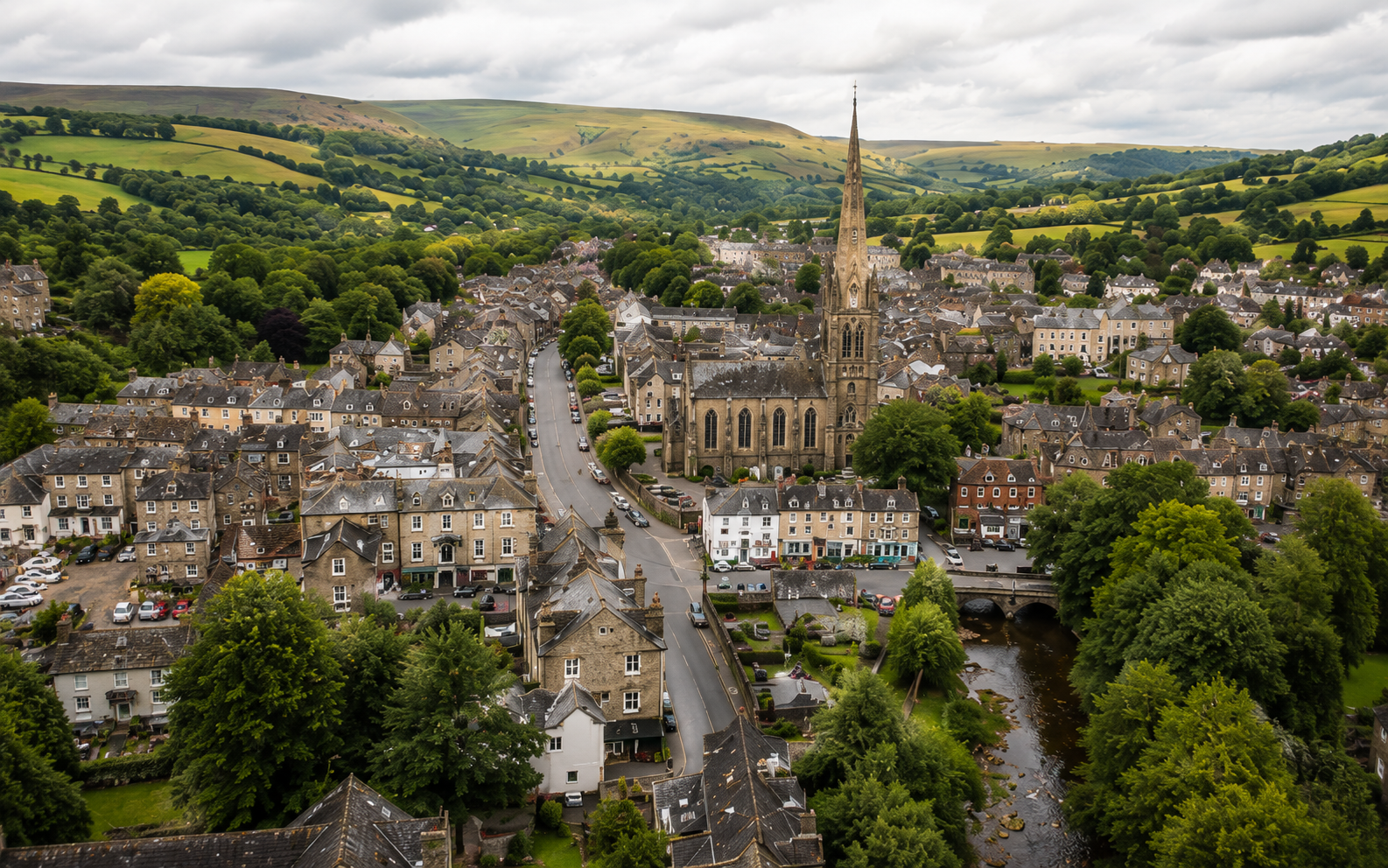
Every few months, another headline declares the British high street dead. Another chain closes. Another set of shutters comes down. And yet, walk through any reasonably functional town centre on a Saturday and you'll find it stubbornly alive — different from what it was, certainly, but alive nonetheless.
More Than Shopping
The mistake most commentators make is treating the high street purely as a retail proposition. By that measure, it's been losing to online shopping for two decades and will continue to do so. But the high street was never just about buying things. It's the place where a community sees itself — where you bump into your neighbour, where teenagers hang about with nowhere particular to go, where the elderly couple has their morning coffee at the same table every day.
These incidental encounters are the fabric of social life. You can't replicate them on Amazon. The high street's value lies not in what it sells but in the fact that it exists as a shared physical space in an increasingly virtual world.
The Independents Are Winning
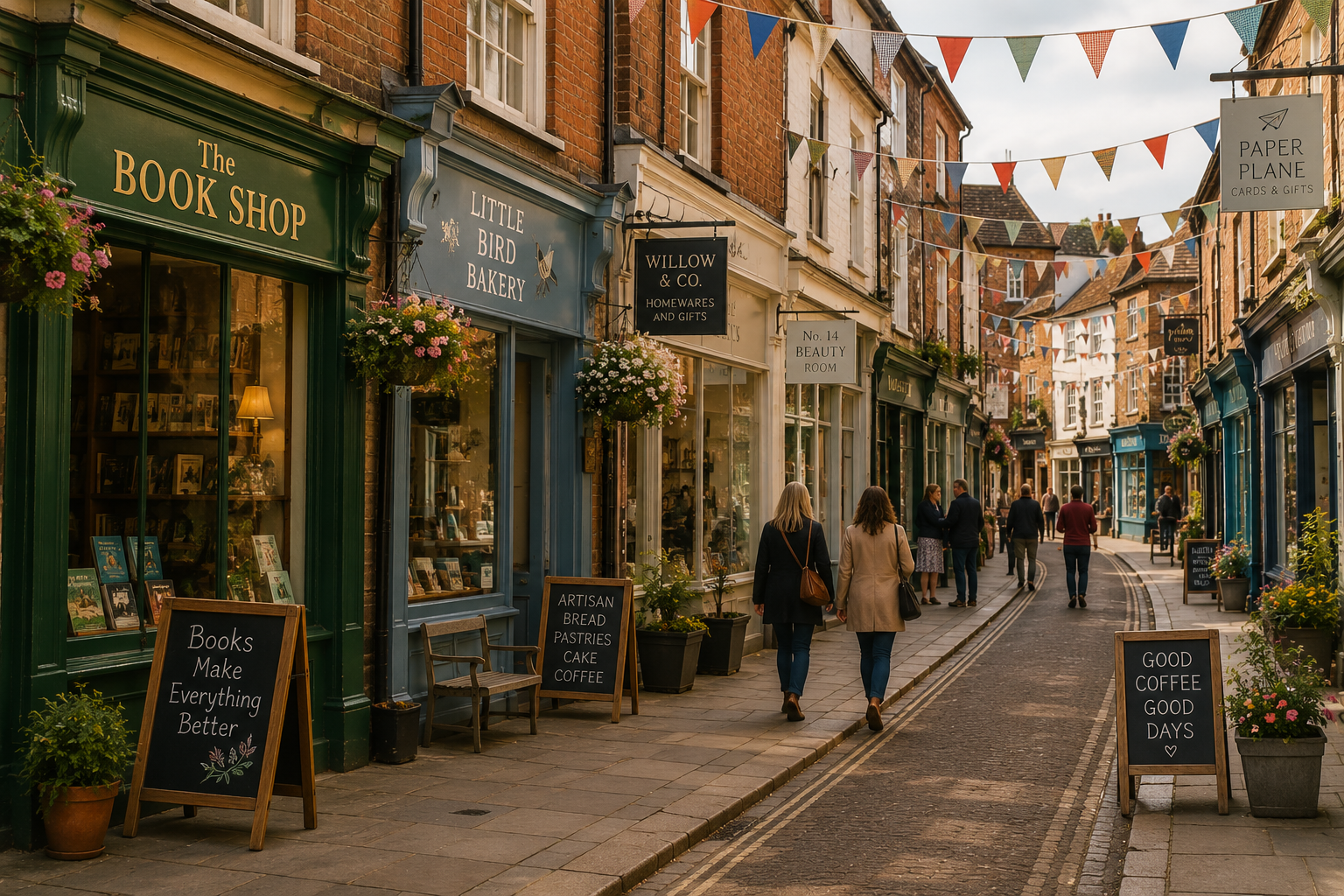
The chains that dominated British high streets for decades — the Woolworths, the BHS, the Debenhams — have largely gone. What's replacing them, in the towns that are managing the transition well, is something more interesting: independent shops, micro-roasteries, second-hand bookshops, craft bakeries, and small galleries.
These businesses aren't competing with Amazon on price or convenience. They're offering something Amazon can't — personality, curation, human interaction, and the simple pleasure of browsing without an algorithm deciding what you see next. In towns like Lewes, Totnes, and Hay-on-Wye, the independent high street has become a genuine draw, attracting visitors who specifically seek out places that haven't been flattened into identikit retail zones.
The Policy Gap
For all the political rhetoric about saving the high street, the structural incentives still favour large out-of-town developments and online retailers. Business rates penalise physical premises. Planning rules make it difficult to convert empty shops into community spaces or housing. The towns that have succeeded have often done so despite policy rather than because of it.
What's needed isn't nostalgia — nobody wants to return to 1987 — but a recognition that high streets serve functions that can't be measured in retail sales per square foot. They're about community cohesion, mental health, local identity, and the kind of casual human contact that keeps loneliness at bay.
A Different Kind of Success
The high street of 2026 doesn't look like the high street of 1996, and it shouldn't try to. The successful ones have adapted — mixing retail with hospitality, workspace, and community use. They've accepted that footfall matters more than sales, and that a thriving high street is measured by whether people want to spend time there, not just money. By that measure, the British high street isn't dying. It's evolving. And the places that understand this are the ones worth watching.